

A Parent's Guide to Natural Baby Products Australia
Choosing the best for your baby starts with figuring out what ‘natural’ actually means. You see this word everywhere, but it can be confusing. Let's cut through the marketing noise and look at what makes a product genuinely safe and gentle. This will help you shop with confidence.
What 'Natural' Really Means for Australian Baby Products
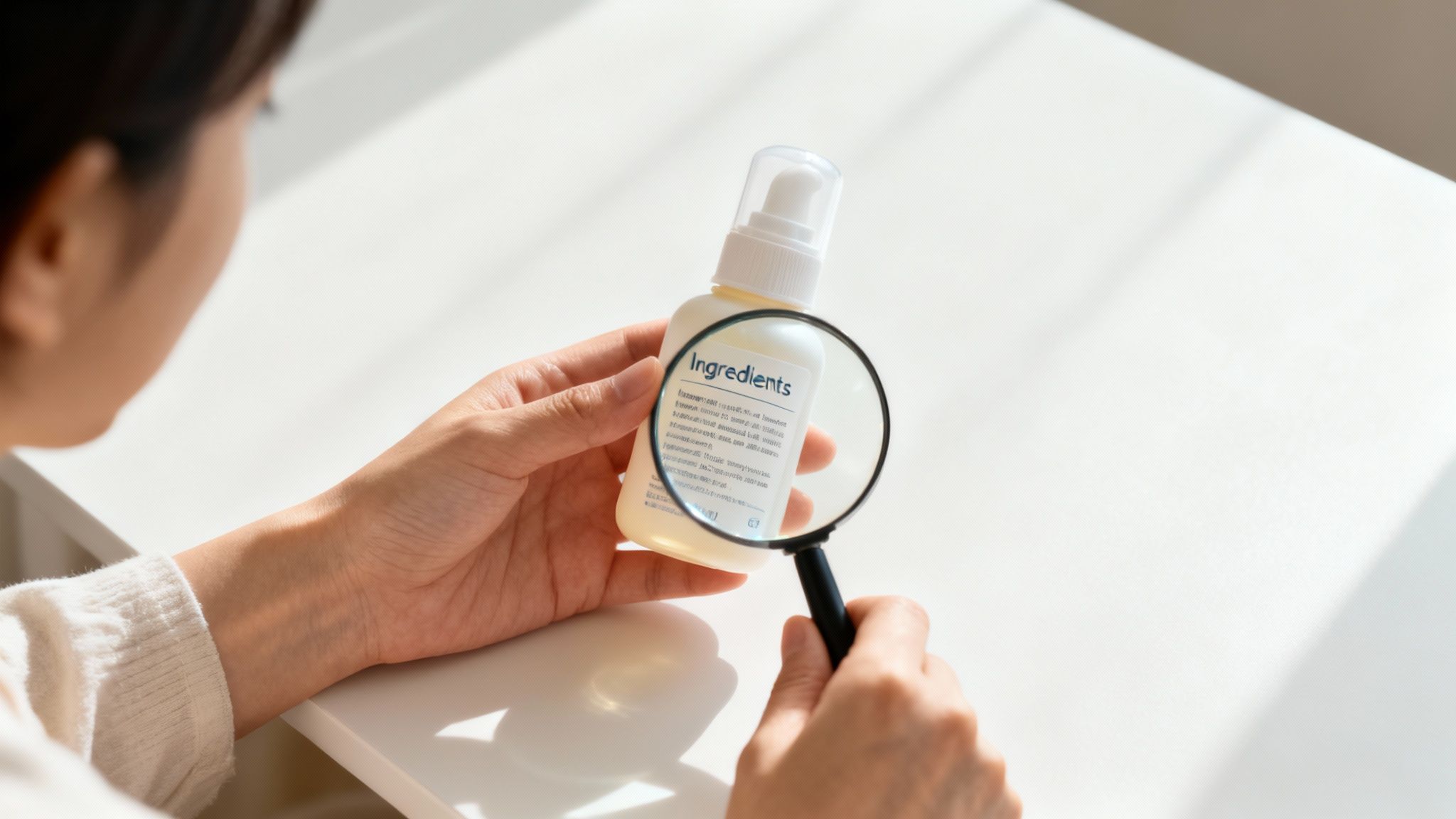
When you see ‘natural’ on a baby product, you probably picture pure, gentle ingredients straight from nature. The problem is, the term is not strictly regulated here in Australia. This means brands can use it quite freely, which often leads to confusion for parents.
A truly natural product should be made mostly from plant-derived or mineral-based ingredients. Think of soothing botanicals like chamomile, nourishing oils like jojoba, and gentle clays. These ingredients are minimally processed. They are free from the synthetic chemicals, artificial fragrances, and harsh additives that can irritate a baby's delicate skin.
This shift towards simple, clean products is not just a passing trend. The demand for organic and natural baby care in Australia is growing fast. The whole baby care market is set to reach US$2.653 billion by 2025. A huge driver is that 63% of shoppers are actively looking for chemical-free products. Nearly half are prioritising eco-friendly options.
The Problem with Greenwashing
This rising demand has unfortunately led to something called greenwashing. This happens when a company uses clever marketing to make its products seem more natural or eco-friendly than they really are. A brand might highlight a single plant extract on its label, even if the product is still packed with a long list of synthetic chemicals.
This really matters because your baby's skin is much thinner and more absorbent than an adult's. This makes it more vulnerable to potential irritants. Choosing genuinely natural products helps minimise their exposure to anything unnecessary.
Decoding Common 'Natural' Product Labels
Let's break it down. To help you cut through the confusion, it is useful to understand what some of the common marketing terms actually mean on a label. These pop up on everything from skincare to textiles and play mats.
| Term | Common Meaning | What to Look For |
|---|---|---|
| Organic | Ingredients were grown without synthetic pesticides or fertilisers. | Official certifications like ACO (Australian Certified Organic) or USDA Organic. |
| Plant-Based | The main ingredients come from plants. | Check the full ingredients list; it does not guarantee the product is 100% synthetic-free. |
| Eco-Friendly | A broad claim about sustainability. | Look for specifics: Is the packaging biodegradable? Are ingredients sustainably sourced? |
| Hypoallergenic | Formulated to minimise the risk of allergic reactions. | It is a good sign, but always patch-test on a small area of your baby's skin first. |
This table should give you a good starting point for reading labels with a more critical eye.
Materials used in items like play mats and clothing also fall under this scrutiny. For example, understanding the benefits of French linen helps explain why natural fibres are such a great choice for anything that touches your baby’s skin.
The simplest rule is to just turn the bottle around. A short, recognisable ingredient list is often your best guide. If you cannot pronounce most of the ingredients, it is probably worth a closer look.
Beneficial Ingredients to Look for in Baby Care
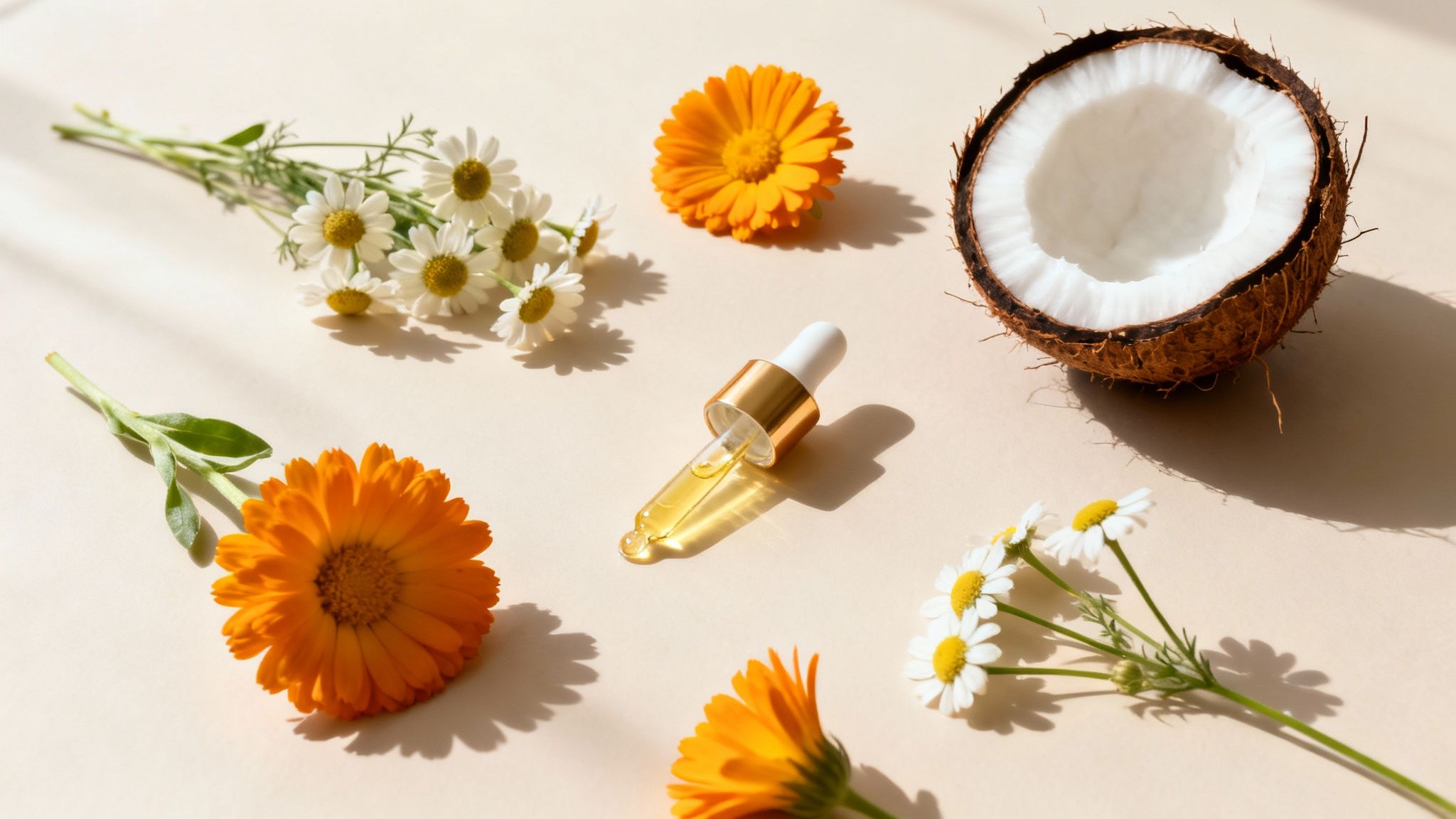
Now that you know how to spot the not-so-great stuff, let's talk about the good. When you are choosing genuinely natural baby products in Australia, you are looking for ingredients that calm, protect, and nourish delicate skin without any unnecessary extras. The best options work with your baby's body, not against it.
This is so important because a baby’s skin barrier is still developing. It is thinner and more sensitive, which makes it prone to dryness and irritation. Gentle, plant-based ingredients offer real care while keeping things simple. Plus, they are usually hypoallergenic and much kinder to the planet.
Let's get into some of the powerhouse ingredients you should be looking for on those labels.
Soothing Botanicals and Hydrating Oils
Nature has its own little pharmacy, perfect for gentle baby care. Many plant extracts and oils are famous for their calming and moisturising magic. This is why you will find them in the best creams, balms, and washes. These are the building blocks of quality, natural skincare.
Here are a few of the most popular and effective ones to keep an eye out for:
- Calendula: This sunny yellow flower is a true hero for calming down angry or irritated skin. You will often spot it in nappy rash creams and soothing lotions because of its gentle healing touch.
- Chamomile: Famous for its relaxing properties, chamomile is fantastic at reducing redness and soothing sensitivity. This makes it a perfect friend for bath time.
- Coconut Oil: A brilliant natural moisturiser, coconut oil hydrates and helps protect the skin's barrier. It also has gentle antimicrobial properties, making it a real multi-tasker.
- Jojoba Oil: The structure of this oil is incredibly close to our skin’s natural oils. That means it absorbs beautifully, giving deep hydration without blocking pores.
When you choose products with these ingredients, you are giving your baby’s skin simple, effective nourishment straight from nature. It is all about supporting their skin's health without overwhelming its delicate balance.
Gentle Materials for a Safe Nursery
It is not just about skincare. The materials that surround your baby every day matter just as much. From their onesies to their play mat, choosing natural, non-toxic fibres helps create a safer, cosier world for them to grow and explore in.
Look for items made from materials like these:
- Organic Cotton: Soft, breathable, and grown without synthetic pesticides, it is the perfect choice for clothing, bedding, and cuddly toys.
- Bamboo: Known for being silky-soft and naturally antibacterial, bamboo fabric is another wonderful option for anything that touches your baby’s skin.
- Natural Rubber: A safe, non-toxic alternative to plastic, you will often find natural rubber used for teethers and toys.
- Linen: This beautiful fabric is durable, breathable, and just gets softer with every single wash. It is a fantastic, long-lasting choice for essentials like play mats and cot sheets.
Choosing products from the best baby brands in Australia is a great shortcut. They often prioritise these superior materials, giving you peace of mind on quality and safety.
Harmful Chemicals to Avoid in Baby Products
Protecting your little one means knowing what to leave on the shelf. The world of chemical names can feel a bit intimidating at first. You only need to recognise a few key players to make much safer choices. This is not about creating fear. It is about giving you clear, simple knowledge so you can shop with confidence.
Let's break it down. Your baby's skin is much thinner and more porous than an adult's. This makes it more vulnerable to whatever you put on it. By simply sidestepping a few common synthetic ingredients, you can significantly reduce their exposure to potential irritants right from day one.
The Main Culprits on Ingredient Lists
Becoming an expert label-reader is easier than you might think. You will often see the same few ingredients popping up in conventional baby lotions, washes, and even some toys. Get familiar with them, and you will be able to quickly scan a product and feel good about your decision.
Here are the main chemicals to watch out for:
-
Parabens (e.g., methylparaben, propylparaben): These are preservatives used to give products a longer shelf life by stopping bacteria and mould from growing. There are concerns about their potential to disrupt the body's natural hormone systems.
-
Phthalates: Often hiding under the term "fragrance" or "parfum," phthalates are used to make scents last longer and plastics more flexible. You will find them in everything from scented lotions to soft plastic toys.
-
Sulphates (SLS & SLES): Sodium Lauryl Sulphate and Sodium Laureth Sulphate are what create that bubbly lather in soaps and shampoos. While they clean well, they can also strip the skin of its natural oils, which often leads to dryness and irritation.
The core idea is simple: if an ingredient does not serve a clear, gentle purpose for your baby's skin, it probably does not need to be there. Sticking to products with short, understandable ingredient lists is one of the best moves you can make.
A Quick-Reference Guide
Here is a simple table of common chemicals to keep an eye on when you are shopping. This will make things even easier.
Common Chemicals to Avoid in Baby Products
| Ingredient to Avoid | Potential Concern | Commonly Found In |
|---|---|---|
| Parabens | Hormone disruption | Baby lotions, shampoos, wipes |
| Phthalates | Hormone disruption | Scented products, plastic toys |
| Sulphates (SLS/SLES) | Skin irritation, dryness | Shampoos, body washes, soaps |
| Formaldehyde | Skin irritant, carcinogen | Some baby washes, adhesives |
| Synthetic Fragrance | Allergies, irritation | Almost everything scented |
| Talc | Respiratory issues | Baby powders |
Remembering just a few of these can make a huge difference in the products you bring home.
Beyond Skincare Products
This cautious approach is not just for creams and washes. Many ingredients found in processed foods can also turn up in baby care. Learning about common food additives to avoid for healthier kids' products can help you choose safer options across the board. The principles of avoiding unnecessary synthetics are exactly the same.
This mindset is also crucial when you are choosing bigger nursery items. For instance, some foam play mats can contain chemicals like formamide or PVC. To learn more about safer alternatives, you can explore the differences between materials like linen vs TPU foam play mats. This shows just how much material choice matters for your baby's environment. Choosing natural baby products in Australia means looking at the whole picture, from skincare right through to their play surfaces.
How to Understand Australian Safety Certifications
With so many brands throwing around the word ‘natural,’ how do you know who to trust? This is where certifications come in. Think of them as a trustworthy reference check for the products you bring into your nursery.
When you spot a reputable certification logo on a product, it means an independent organisation has given it their tick of approval. It is a guarantee that the product meets strict standards for safety, quality, or organic integrity. It takes a product from a simple marketing claim to a verified promise.
Let's break down the key logos you will see on Australian products. Understanding them will give you the confidence to choose what is genuinely best for your baby.
Key Certifications for Textiles
When you are buying anything fabric-based, textile certifications are your best friend. This includes bedding, clothing, or a lovely linen play mat. They confirm that every single component, from the fabric down to the thread, has been tested for harmful substances.
Two of the most respected standards you will come across are:
-
GOTS (Global Organic Textile Standard): This is the gold standard for organic textiles. For a product to be GOTS certified, it must contain at least 70% certified organic fibres. But it goes deeper than that. The entire production process, including fair labour practices, is put under the microscope.
-
OEKO-TEX STANDARD 100: This one is all about safety. If a product has this label, you can be certain every part of it has been tested for harmful chemicals. Every thread, button, and zip is completely safe for human health.
Top Certifications for Skincare and Food
For products that go on your baby's skin or in their tummy, a different set of certifications come into play. This includes nappy creams and organic food pouches. These logos assure you that the ingredients were grown and processed without synthetic pesticides or chemicals.
Australia has a rock-solid reputation for organic farming, and our standards reflect that.
The chart below shows some of the common chemicals that certified organic products help you avoid.
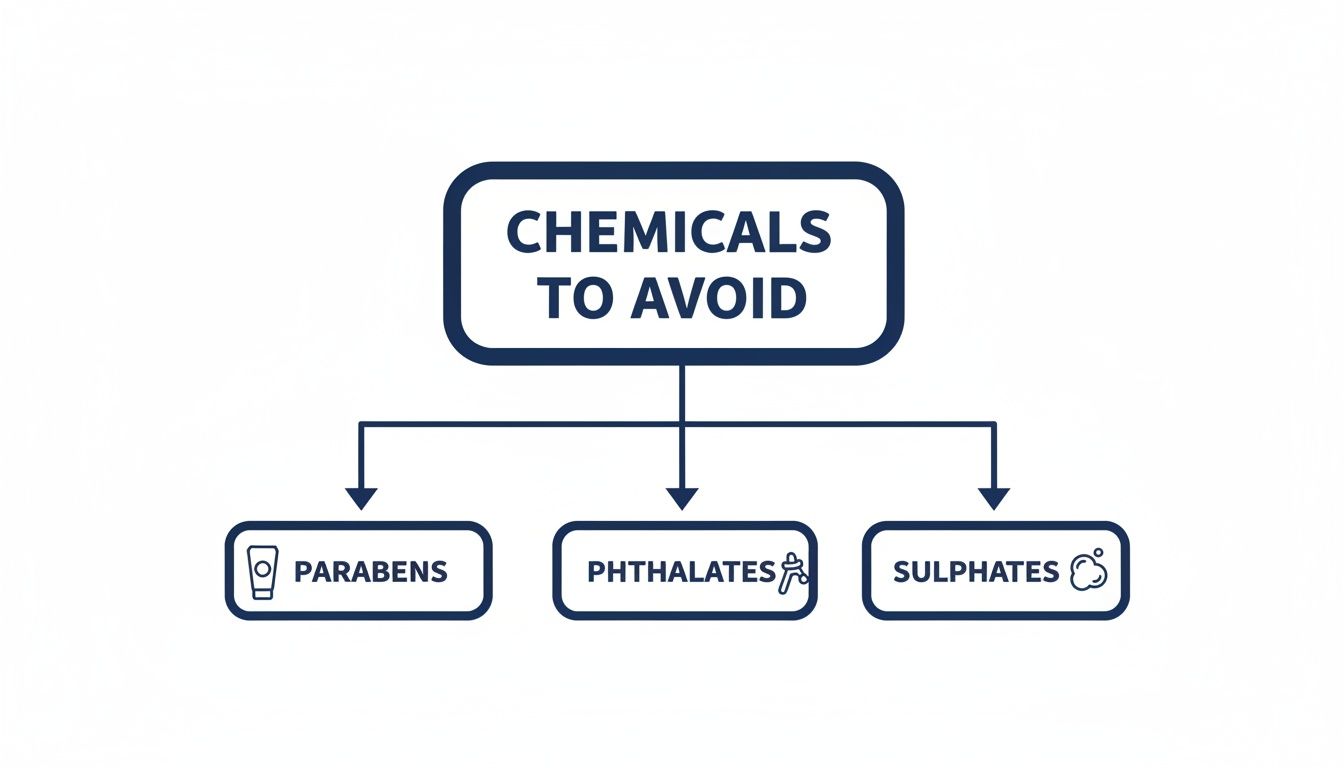
This is a great little reminder of why steering clear of parabens, phthalates, and sulphates is such an important part of choosing safer baby products.
In Australia, one of the most common logos you will see is from Australian Certified Organic (ACO).
ACO (Australian Certified Organic): As Australia’s largest certifier for organic and biodynamic produce, the ACO ‘bud’ logo is one to look for. When you see it, it is a guarantee the product has met the tough standards set by the Australian government for organic production.
Did you know Australia has the world's largest area of certified organic farmland? We are talking over 23 million hectares, which is a huge testament to our national commitment to quality. This thriving industry now contributes over AU$2 billion to our economy each year. You can discover more insights about Australia's organic market if you are curious.
Next steps? You now have the knowledge to check labels and shop with complete peace of mind.
Your Shopping Guide for Natural Baby Essentials
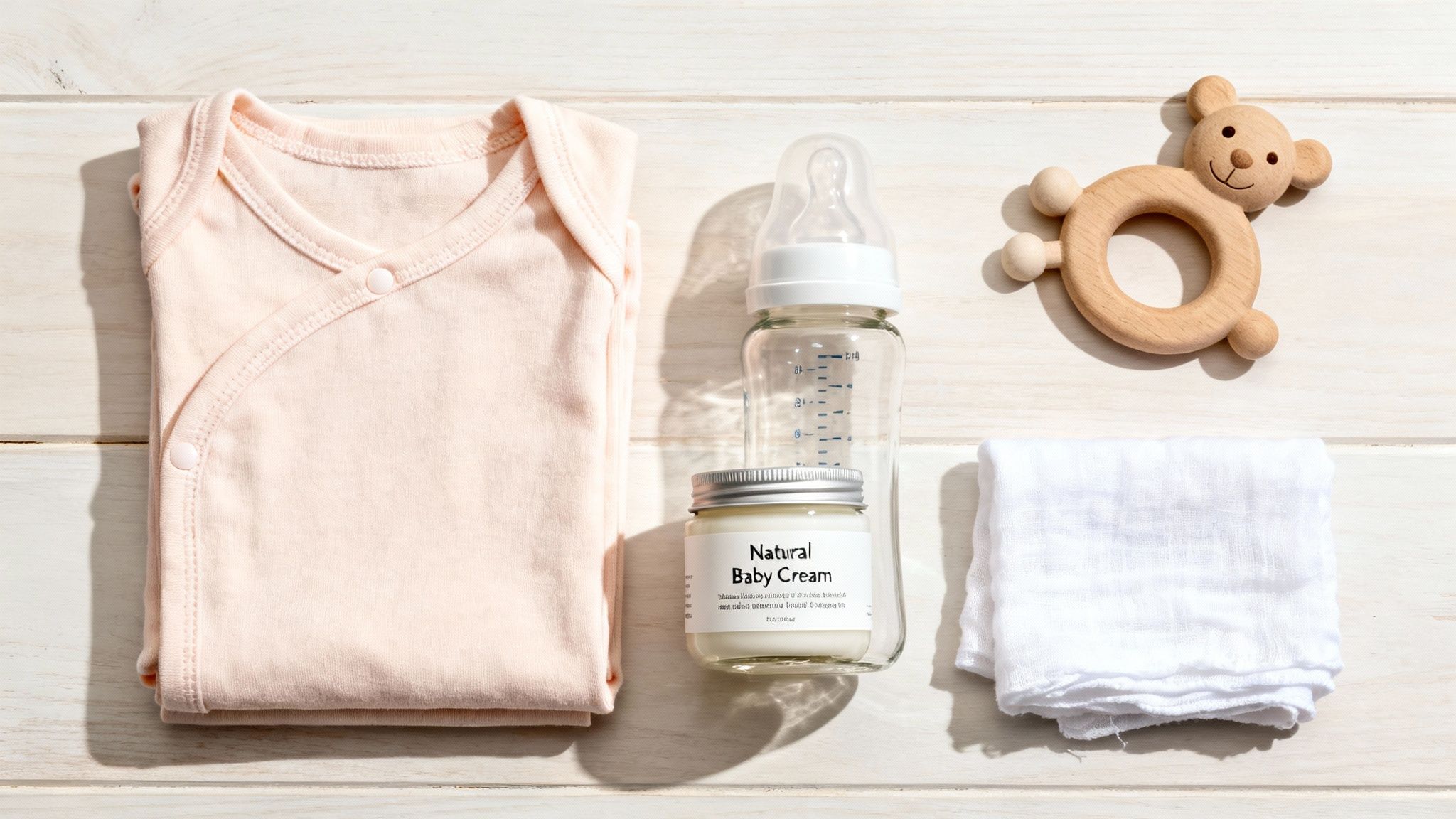
Ready to start shopping? It can feel a bit overwhelming, so think of this as your curated checklist. We will focus on the key categories where choosing natural really makes a difference in your baby’s day-to-day life. This helps you build a safe, gentle, and thoughtful space for your little one.
You are not alone in making this shift. The demand for natural baby products is growing fast. In fact, the Australian baby care market was valued at USD 1.70 billion in 2023. It is expected to hit USD 3.50 billion by 2033. This boom shows just how many parents are prioritising their child's health and safety.
Let’s break it down into the essentials for your nursery.
Gentle Skincare and Wipes
A baby's skin is incredibly delicate and much thinner than our own. This is why skincare is top of the list. When you are picking out lotions, creams, and washes, look for short, simple ingredient lists. Calming botanicals like calendula and chamomile are wonderful. It is also best to opt for fragrance-free products to minimise any chance of irritation.
Baby wipes are another daily staple where a natural choice matters.
- Look for: Wipes that are biodegradable and made from plant-based fibres.
- Avoid: Anything with alcohol, synthetic fragrances, or hidden plastics.
- Choose: Simple, water-based wipes. Ones with soothing ingredients like aloe vera or jojoba offer a beautifully gentle clean.
Safe Feeding Products
When it comes to feeding, the main goal is to avoid plastics that can leach unwanted chemicals. Glass bottles are a fantastic, durable option that will last for ages. If you would prefer something lighter, high-quality, BPA-free silicone bottles and utensils are a great alternative.
As you move on to solids, organic food pouches or yogurts are a good starting point. Always flip them over and check the ingredients. You want to see whole foods, not added sugars, artificial flavours, or unnecessary preservatives.
A simple rule for feeding products is to choose materials you would feel good about using yourself. Glass, food-grade silicone, and bamboo are all reliable and safe choices for your peace of mind.
Natural Bedding and Toys
Your baby will spend so much time sleeping and playing. Their bedding and toys are just as important as their skincare. Natural materials offer breathability and safety, creating a healthier space for them to rest and explore.
For bedding, keep an eye out for materials certified by GOTS or OEKO-TEX.
- Organic Cotton: It is soft, breathable, and you know it is free from pesticide residues.
- Linen: Exceptionally durable, naturally antibacterial, and it just gets softer with every single wash.
For toys, especially teethers that go straight into your baby's mouth, choosing non-toxic materials is key. Natural rubber or unfinished wood are fantastic alternatives to plastic. And while you are putting your shopping list together, remember that supporting their physical growth is also part of the journey. You might want to include resources that offer expert advice on healthy foot development for little ones.
Next steps? You now have the knowledge to confidently create a beautiful, natural space for your baby.
Common Questions About Natural Baby products
Diving into the world of natural baby products in Australia can feel a little overwhelming at first. It is completely normal to have questions about cost, how to spot the real deal, and where to even begin looking.
Getting clear, straightforward answers helps you feel confident you are making the right choices for your little one.
Let’s break down some of the most common queries parents have when they decide to go natural.
Are Natural Baby Products More Expensive in Australia?
It is true that some natural products have a higher price tag upfront. But here is why they can be a good investment. They are often more concentrated, which means a little goes a long way. The product lasts longer, giving you better value over time.
Think of it like this. A high-quality, natural nappy cream packed with rich botanicals might only need a tiny dab. A thinner, synthetic-based cream might need a much bigger squeeze to do the same job. Many parents also find that the durability of natural materials, like organic cotton or linen, makes them a worthwhile investment that outlasts cheaper alternatives.
To keep things affordable, try shopping directly from local Australian brands online to cut out the middleman. Keep an eye out for sales or bundle deals, too.
How Can I Spot Greenwashing and Find Genuinely Natural Products?
The best strategy is to look past the pretty packaging and catchy slogans. Greenwashing relies on vague claims. Your best defence is to become a savvy label reader.
Here is what to look for:
- Check for certifications: Look for official logos from reputable, third-party organisations. In Australia, seals from Australian Certified Organic (ACO), GOTS, or OEKO-TEX are excellent signs of a product's integrity.
- Read the full ingredient list: A short, understandable list filled with recognisable, plant-based names is a great indicator. If you see vague terms like ‘fragrance’ or a long list of complex chemical names, it is a good idea to be cautious.
Where Are the Best Places to Buy Natural Baby Products in Australia?
You have got more options than ever before. Major supermarkets and pharmacies now have growing natural and organic sections. This makes it convenient to pick up essentials while you are doing your weekly shop.
For a wider and more specialised selection, dedicated health food stores and online retailers are fantastic. Another great option is buying directly from the websites of Australian brands. This not only supports local businesses but also gives you access to unique, high-quality products you might not find anywhere else.
Do Natural Baby Products Expire Faster?
Yes, they often can, and for a good reason. Truly natural products use gentle, plant-based preservatives like vitamin E or grapefruit seed extract instead of synthetic ones like parabens. While effective, these natural preservatives can mean a shorter shelf life.
Always check the product for an expiry date. You should also look for a Period After Opening (PAO) symbol. This looks like a small open jar with a number inside (e.g., ‘6M’ for six months). To keep your products fresh for as long as possible, store them in a cool, dark place away from direct sunlight, like a cupboard or drawer.
At Wallaby Collective, we believe in creating a beautiful, safe, and natural space for your baby. Our OEKO-TEX certified linen play mats are designed with your little one’s well-being and your home’s style in mind. Discover our collection of modern, machine-washable play mats at https://wallabycollective.com.